A light dusting of honeysuckle might be the phrase needed to describe these wines.
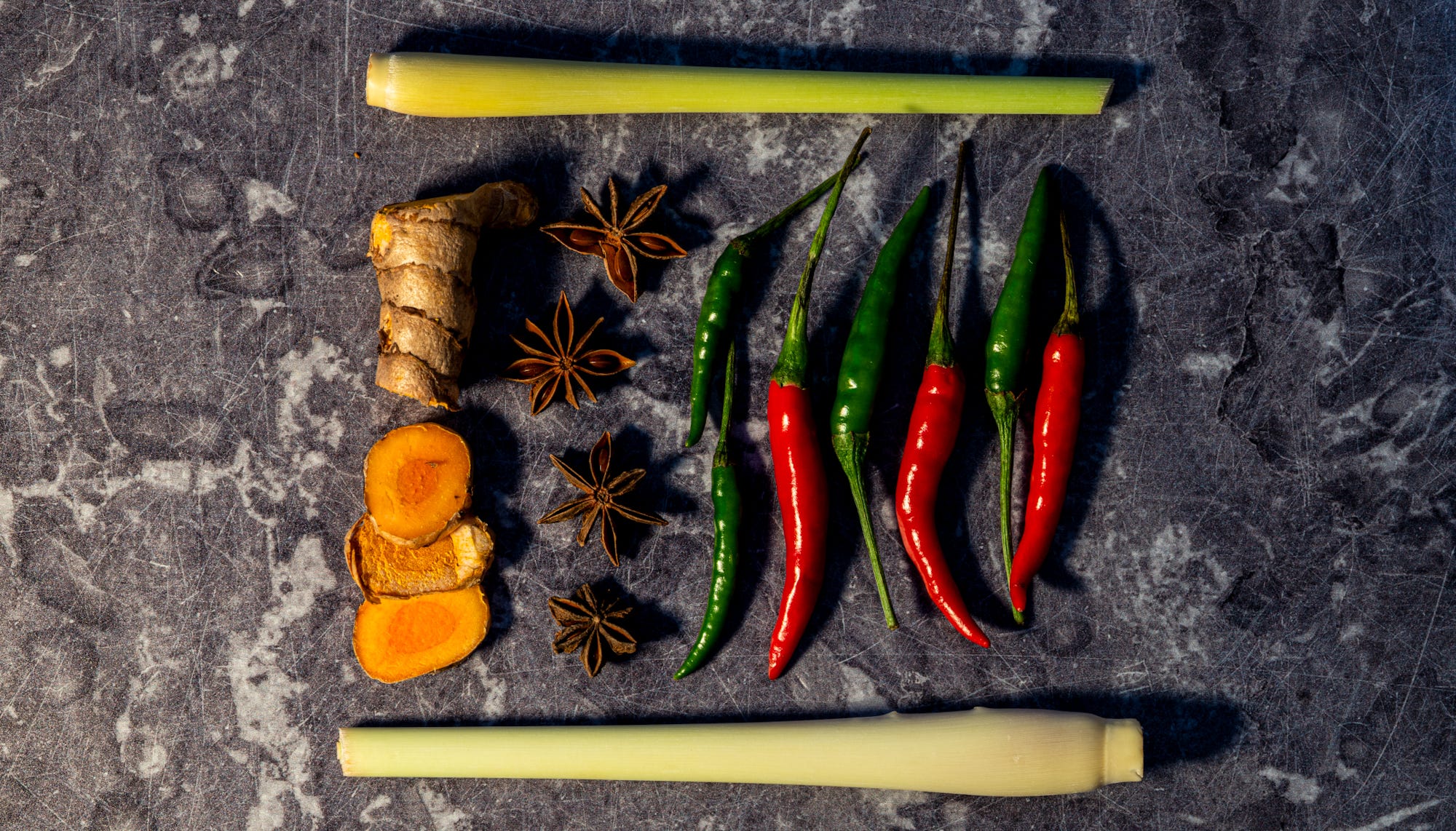
Sometimes, you need an edge to transform the pairing of a wine with certain dishes from Southeast Asia. Then Germany can come to the rescue. A country that produces exquisitely bone-dry Rieslings of utter precision, can also create wines from the same grape that possess just a fraction of sweetness that can flow to perfection with aromatic, spicy and vibrant dishes.
But not just Southeast Asian dishes. Lobster, prawns, and langoustine all have a degree of richness that comes from the amino acids given that the finest examples of these crustaceans come from cold water habitats. Again, the precision of a Spätlese, with its concentrated fruit flavours and resonant acidity, would enhance these oceanic delights.
Other classic white varieties - Chardonnay and Sauvignon - just do not work with Thai dishes. The high acidity in the Sauvignon works badly with our mouth’s heat-sensitive receptors, accentuating the heat and spice, creating a bitterness. Chardonnay’s natural buttery and oaky flavours are simply out of kilter and nullify both the food and the wine.
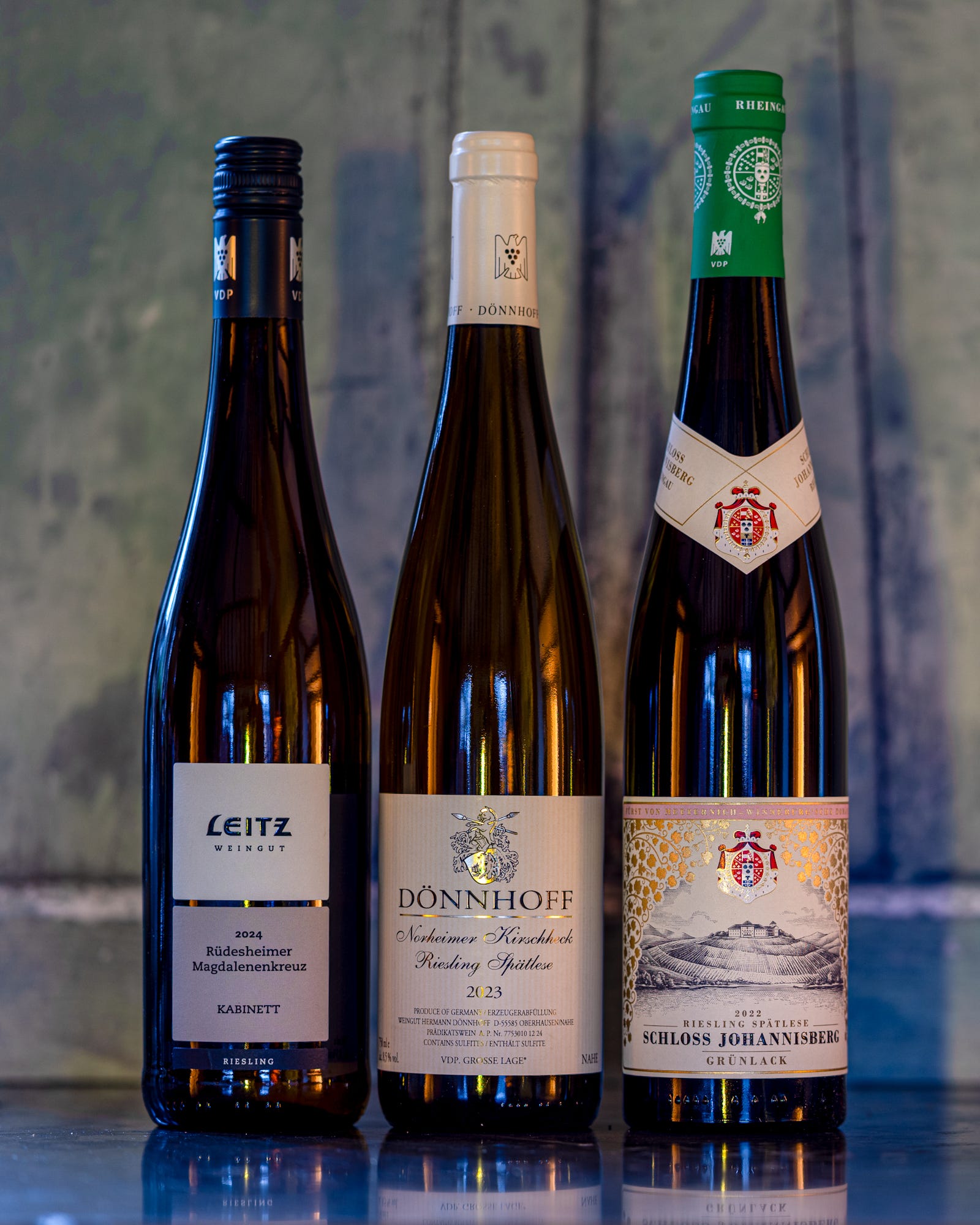
Many of you may already be afficiandos of these wines. If not, then as an introduction to this style of wine, here are three from Waitrose - easily accessible on the next online order - that gently set in motion a new relationship from an entry level at £14.50 to a flawless and outstanding example at £44.50.
Also, as a bit of an aside, these wines are 8-8.5% alcohol. If you are looking for wines with much less punch, then Germany again meets this brief.
1 - Leitz Magdalenenkreuz Riesling Kabinett 2024
With a history dating back to 1744, this family company has seen significant growth sine the mid-1980s expanding their plantings from 3 hectares to over 130. This entry level wine would be a perfect starting point to begin a vinous journey into wines made from the Riesling grape in Germany. Delicate, floral noise with fresh pears mingled amongst peaches. Precise and clean on the palate with green and citrus fruit flavours, and the lift of fresh fruit mingles in with medium acidity: a very refreshing glass. With lightly spiced food or simply a drink to enjoy over Easter if the sun is shining at noon or early evening.
£14.50 - Waitrose - merchant link
2 - Dönnhoff Norheimer Kirschheck Riesling Spätlese 2023
Dönnhoff is a very established name in the Nahe region in southwest Germany. Nestled by the Mosel to the west and the Rheinhessen to the east and south, it is a relatively small region - just over 4,000 hectares - but with a diverse collection of soil types and a very balanced micro-climate.
Not as old as Leitz - 1761 - but with a formidable following and recognised as one of the quality-focused producers within the area, it consistently creates magical expressions of the Riesling grape. The vines for this wine are located in the oldest recorded vineyards of the Nahe, part of the village of Norheim.
This really is a wine that is impossible to have only one glass. Intense but refined on the nose, with mineral tones rather than just fruit. Focused acidity perfectly balanced with a savoury sweetness that lingers and lingers. Bright, blossoming fruit emerges on the finish. Classy and playful with immense character and absolute focus. It will age into the late 2030s.
£33.50 - Waitrose - merchant link
3 - Schloss Johannisberger Riesling Grunlack Spätlese 2022
An impressive estate sitting in a commanding position on a hill just outside the town of Rudesheim. Emperor Ludwig the Pious acquires vineyards on the Helisa stream, today’s Elsterbach, from Fulda Abbey in 817 - a bit of history here, but let’s not dwell on that component.
This wine is simply outstanding, and will be drinking into the late 2040s, perhaps early 2050s. However, that stated, it is also spectacularly good today.
Oodles of stone and tropical fruit on the nose, it has an intensity that is captivating. Savoury richness on the palate, that combines ripeness, precision and elegance into an engrossment of intense activity that goes on and on and on. Grapefruit, lime and a concentration of pineapple flavours arrive with vigour. Also, if you are looking for the perfect marriage with foie gras, then this would be a delight.
£44.50 - Waitrose - merchant link
Footnote. German wines are out of fashion. Why? Go back 150 years and they were the preferred vinous option for the aristocracy of Victorian England. However, varieties defined as Liebfraumilch, particularly brands such as Black Tower and Blue Nun, flooded the market in the 70s and 80s with relatively indifferent qulaity wine. As tastes changed, these fell into decline and the reputation from this style damaged Germany’s reputation for several decades. Today, the quality of German wine, across the range of wines exported, is on a different footing, and are acknowledged as being very high from bone-dry to lusciously sweet, as well as superb reds from the Pinot Noir.
Blah